
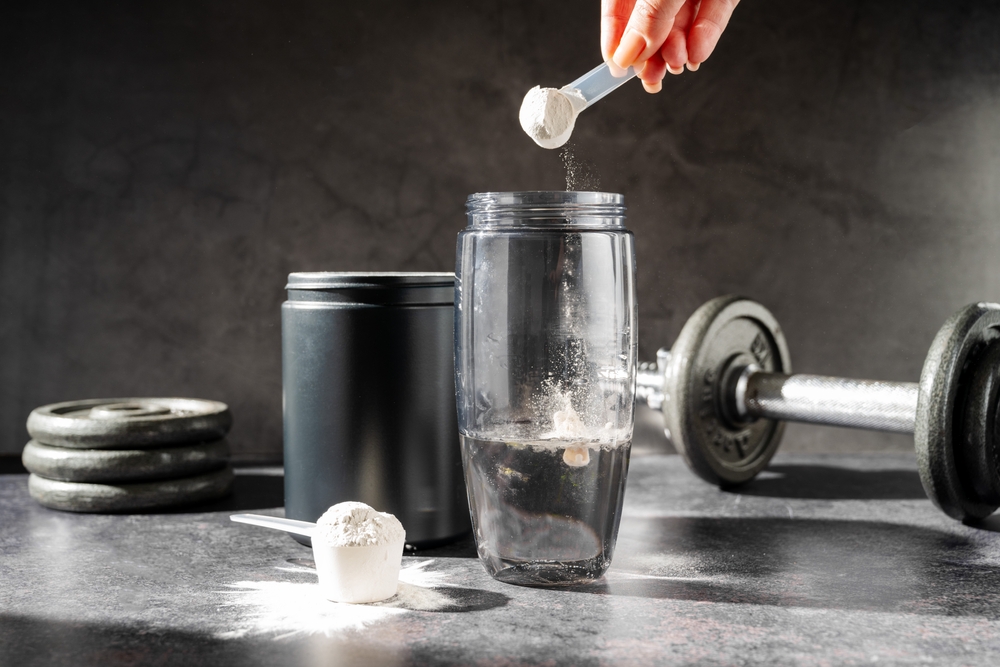
The Ultimate Guide to Choosing the Best Creatine for Muscle Growth
Creatine is among the most researched and trusted supplements for serious muscle growth. It is in use today by most of the athletes, bodybuilders, and other fitness beginners. Because the results can be measured and determined to be consistent. However, despite its popularity, there are many individuals who are still at a loss as to what kind of creatine for muscle growth is the best, how it works, and what actually constitutes the best creatine to build muscle mass.
This is a comprehensive guide that relates all your requirements at a single point. You will leave with the clear and applicable knowledge of how creatine can be used to build muscle in the safest and most effective form you can actually use.
Knowledge on How Creatine aids Muscle Growth?
Before selecting a product, one should have a clear idea of what creatine does in the body. Creatine is a naturally occurring substance stored mainly in muscles. Its primary purpose is to assist in the production of ATP, or the instant energy that muscles consume when performing high-intensity exercise.
The more energy your muscles have, the more you can lift, the number of reps, and the time it takes between the sets to recover. This capacity to build training capacity eventually results in muscle gain and strength.
- During intensive exercise, creatine enhances the quick body energy generation.
- The more training an individual does, the better the muscle-building outcomes.
- Better recovery in between sets helps in maintaining progress.
The Rationale behind Creatine Monohydrate as the Gold Standard
When you go out searching the creatine supplements that are the best, you will come across various forms. Nonetheless, creatine monohydrate efficacy still prevails in scientific studies and practical findings. It is the most researched, the most effective, and the most reliable type, which is present nowadays.
Creatine monohydrate is a good product since it is very stable and easily absorbed by the body. This type of performance improvement is used in most of the research studies. Although new forms are heavily marketed, they hardly perform better than high-quality monohydrate.
- The best scientific support is creatine monohydrate.
- It provides regular increases in muscle and strength.
- It is generally cheaper than newer forms of creatine.
Micronized Creatine Powder vs. Standard Creatine
After making up your mind about monohydrate, the next question always arises in the form and texture. Micronized creatine powder is merely the creatine monohydrate, which has been cut into smaller particles. This does not modify the core compound, but it may enhance mixability and digestion for some users.
A lot of athletes use the micronized forms as they are more easily dissolved in water, and they may be absorbed in the stomach. Although the two forms are effective, micronized creatine would offer a more user-friendly experience.
- A smaller particle size enhances the mixing of powder.
- Others also complain of improved stomach comfort.
- The effectiveness of muscle building does not decrease.
The mechanisms of Creatine in building muscle
The long-term mechanism is important in order to be able to select the best creatine to build muscles. Creatine is not a direct muscle-building protein. Rather, it increases your capacity to work harder and recuperate quicker.
This enhanced performance in the course of weeks and months results in progressive overload, which is the actual driver of muscle gain. Also, creatine elevates intracellular water in muscle cells, making them look fuller and aiding anabolic signaling.
- Gradual progression of overload is facilitated by more training intensity.
- The size and fullness are helped by muscle cell hydration.
- Recovery facilitates increased quality workouts.
Creatine Maintenance vs. Creatine Loading: What is Effective?
Creatine loading vs maintenance is one of the most controversial issues. The loading is a process of increasing dose during the first week to load the muscles at a high dose, whereas maintenance is conducted at a constant daily dose.
The two approaches eventually succeed. Loading will only assist you in achieving total muscle capacity more quickly. However, loading is no longer popular among many people to prevent stomach discomfort and attain similar long-term benefits by taking it daily.
- The loading accelerates the saturation of the muscle.
- The same results over time are brought about by maintenance dosing.
- Digestive discomfort can be lessened with the omission of loading.
Creatine Supplement Dose in Bodybuilding and Performance
Dosage is significant in achieving optimum outcomes. The bulk of available studies indicates that an average adult should be maintained at 3 to 5 grams per day. Higher intake may be provided by larger athletes, depending on their body weight.
Timing is not greater than consistency. Some will take creatine pre or post-workout, but day in day out consumption is the most important in ensuring that the muscles remain saturated.
- Normal dose of maintenance is 3-5 grams/day.
- The amount of intake that bigger people need may have to be a little higher.
- Consciousness is important every day rather than at a specific time.
Creatine Strength and Athlete Performance
Though most people have been concerned with size, creatine, as a source of strength and performance, is also vital. The supplement is particularly effective when doing activities that require short bursts of power like weightlifting, sprinting, and high-intensity training.
Maximal strength, explosive power, and total workout volume are some of the changes that athletes tend to experience. These performance benefits yield as time goes by, resulting in greater muscle development.
- Enhances muscle maximal lifting strength and power output.
- Helps in doing high-intensity training.
- Facilitates increased volume of workouts in the long run.
Safety Profile and Side Effects of Creatine
Side effects and safety of creatine are common, especially among beginners. The positive aspect is that creatine monohydrate is among the most researched sports training supplements and has a very good safety rating among healthy people.
The side effects are not severe, and most of them are based on a wrong dosage or water shortage. Certain users might have temporary water retention or slight stomach aches during loading stages.
- There is long-term research substantiating the safety of healthy adults.
- Mild water retention is not a cause of concern, and it is usually temporary.
- Adequate water intake will reduce digestive upsets.
What are the best and safest Creatine Supplements?
The number of products gives a range of creatine supplements to consider when choosing the safest ones, meaning that quality indicators are to be considered. Avoid being deceived by flashy marketing statements, but choose to be pure via third-party testing and brand transparency.
Search items that have creatine monohydrate as the sole ingredient, which is clearly stated. Do not use any unnecessary fillers, proprietary blends, or underdosed formulas that conceal the real creatine content.
- Select the products containing single-ingredient creatine monohydrate.
- Find third-party testing and certification of quality.
- Do not use blends that conceal real creatine levels.
The most frequent errors people make in Home Gyms
A good creatine supplement will never substitute for poor training or nutrition programs. A lot of novices want to achieve results fast without regular exercise routines or sufficient protein consumption.
Creatine is most effective when it is used with organized resistance training, adequate energy, and adequate rest. Consider it as a boost to the performance and not a shortcut.
- Creatine is not a substitute for hard work, but it aids in training.
- Protein consumption is also necessary to build muscles.
- Regular resistance training leads to actual outcomes.
Consideration of Creatine Supplementation: Who Should?
Bodybuilders are not the only ones who should use creatine. It can be used by a variety of groups. The supplement aids better performance in various training styles of athletes and beginners in the fitness world.
Nevertheless, patients with underlying kidney issues or those with medical complications are not allowed to take supplementation without consulting a medical practitioner.
- Power output is enhanced among strength athletes.
- Early training progress can be improved by fitness beginners.
- Certain conditions are suggested to undergo medical consultation.
Combining It All: Selecting the most effective Creatine for muscle growth
The choice is much more obvious when you put all the dots together. A high-quality creatine monohydrate product in a good brand is generally the best creatine to use in muscle building. The emphasis should be placed on being pure, using the right dosage, and using it regularly instead of seeking fashionable options.
Combine your supplementation with progressive strength training, proper nutrition, and proper hydration. Creatine has been one of the most dependable and cost-effective products when used properly in building muscle and enhancing performance.
- The most proven one is high-quality monohydrate.
- Maximization of results is done through consistency and appropriate training.
- The product selection is smart and guarantees safety and efficiency.
Conclusion
Creatine remains one of the most efficient and thoroughly studied supplements for gaining muscle, strength, and improving sports performance. You will be able to incorporate it in your workout by learning about its functionality, selecting the appropriate form, and practicing appropriate dosing schedules.
If you want to work harder, recover quicker, and gain muscle more effectively, choosing the best creatine to build muscle is a brilliant and proven step toward long-term development.